Understanding AI Roleplay: A New Frontier in Learning
As we delve into the ever-evolving landscape of education, one innovation stands out for its transformative potential: ai roleplay. This teaching method combines artificial intelligence with interactive scenarios, enabling students to immerse themselves in complex, real-world situations. By engaging with AI simulations, learners can develop critical thinking, problem-solving, and interpersonal skills in a controlled environment. This article explores the fundamentals of AI roleplay, its significance in modern education, and the best practices for its effective implementation.
What is AI Roleplay?
AI roleplay refers to interactive education methods where artificial intelligence technologies simulate real-life situations and characters for learners to engage with. Essentially, it transforms traditional learning experiences into dynamic, immersive environments where students assume various roles and make decisions based on real-world scenarios. These simulations can range from virtual classrooms to advanced gaming platforms, where AI can adapt to each student's input, providing personalized feedback and learning pathways. This form of roleplay is not just about entertainment; it’s designed to enhance educational engagement by making learning more relatable and practical.
The Importance of AI Roleplay in Modern Education
The educational landscape is shifting towards a more hands-on, experiential approach to learning. In this context, AI roleplay plays a crucial role by:
- Enhancing Engagement: Students are more likely to be motivated and invested in their learning when they can participate actively.
- Developing Critical Skills: Through roleplay, learners practice decision-making, empathy, and negotiation skills vital for their future careers.
- Promoting Collaborative Learning: AI roleplay often involves group interactions, fostering teamwork and communication among peers.
- Providing Safe Learning Environments: Students can experiment with mistakes and learn from them without real-world consequences.
Common Misconceptions About AI Roleplay
Despite its benefits, several misconceptions about AI roleplay hinder its broader adoption in educational institutions. Some educators believe that technology can replace traditional teaching methods, while others fear that it may lessen face-to-face interactions among students. Contrary to these beliefs, AI roleplay is designed to complement traditional approaches, enhancing them rather than replacing them. Furthermore, these interactive experiences can facilitate meaningful conversations and connections among students, promoting enhanced social skills and collaboration.
Best Practices for Implementing AI Roleplay in Educational Settings
Designing Engaging AI Roleplay Scenarios
Creating effective AI roleplay scenarios begins with understanding learners' needs and the educational objectives at hand. Consider these best practices:
- Relevance: Scenarios should reflect real-world challenges that students may face in their academic or professional lives.
- Diversity of Scenarios: Present various contexts to cater to different learning styles and interests, ensuring that each student finds something relatable and engaging.
- Iterative Design: Gather feedback from initial implementations and refine scenarios based on student interactions and outcomes.
Incorporating AI Roleplay into Curriculum
To effectively incorporate AI roleplay into the curriculum, educators should:
- Align with Learning Objectives: Ensure that roleplay scenarios reinforce core educational goals, such as critical thinking, communication, and subject mastery.
- Integrate Across Subjects: Collaborate with colleagues from different disciplines to create interdisciplinary roleplay experiences that enrich learning.
- Balance Roleplay with Traditional Learning: Maintain a mix of conventional teaching methods and AI roleplay to cater to diverse learning preferences.
Tools and Technologies for Effective AI Roleplay
Numerous tools and technologies can facilitate the implementation of AI roleplay in educational settings:
- Game-Based Learning Platforms: Utilize platforms that offer gamified experiences to engage learners.
- AI-Powered Simulation Software: Invest in software specifically designed to create realistic simulations tailored to educational goals.
- Assessment and Feedback Tools: Leverage technology that tracks student progress and provides immediate feedback, enhancing the learning loop.
Challenges and Solutions in AI Roleplay Implementation
Overcoming Resistance to Technology in Classrooms
One significant challenge in implementing AI roleplay is resistance from educators who may feel threatened by technology. Solutions include professional development to demonstrate the benefits of AI roleplay, hands-on training to build confidence, and showcasing success stories from institutions that have adopted this approach.
Addressing Ethical Concerns in AI Roleplay
Ethical concerns, such as data privacy and the potential for bias in AI algorithms, must be addressed to foster trust in AI roleplay. Establishing clear guidelines for the use of AI, prioritizing student data protection, and ensuring diverse representation in training data can help mitigate these concerns.
Ensuring Accessibility and Inclusivity in AI Learning
AI roleplay experiences should be designed to be accessible to all students, regardless of their backgrounds or individual needs. This includes implementing adaptive technologies, providing materials in multiple formats, and encouraging feedback from diverse student populations to inform future design choices.
Measuring Success: Metrics for AI Roleplay Programs
Evaluating Student Engagement and Learning Outcomes
Success in AI roleplay can be measured through various metrics, including:
- Student Engagement: Surveys and participation metrics can track how engaged students are during AI roleplay sessions.
- Improvement in Skill Acquisition: Pre- and post-assessments can help gauge learning outcomes relative to the set objectives.
- Retention Rates: Monitoring how well students retain knowledge gained from roleplay experiences can indicate the effectiveness of the method.
Feedback Mechanisms for Continuous Improvement
Implementing regular feedback mechanisms allows educators to refine AI roleplay scenarios continuously. Gathering input from students, assessing their satisfaction, and understanding their challenges can inform future iterations of roleplay, enhancing the learning experience based on real user experiences.
Case Studies of Successful AI Roleplay Applications
Several institutions have successfully integrated AI roleplay into their curricula. For instance, a university implementing a crisis management simulation saw an increase in students’ decision-making skills and teamwork abilities. Tracking progress over a semester illustrated the profound impact AI roleplay could achieve in developing essential soft skills through experiential learning.
The Future of AI Roleplay: Trends for 2026 and Beyond
Emerging Technologies Shaping AI Roleplay
By 2026, advancements in technology will continue to influence AI roleplay. Key trends include:
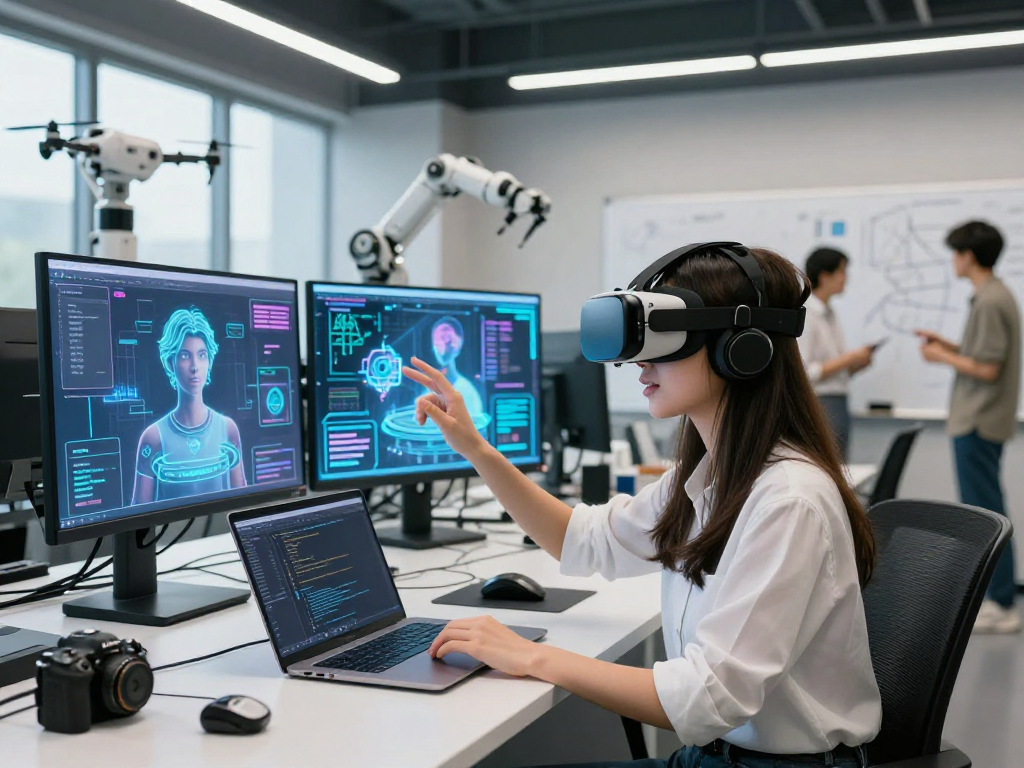
- Virtual Reality (VR) and Augmented Reality (AR): These technologies will create even more immersive roleplay environments, allowing learners to experience scenarios firsthand.
- Advanced Natural Language Processing: Enhancements in AI's ability to understand and respond to human language will lead to more realistic interactions in roleplay scenarios.
- Increased Use of Analytics: Detailed analytics will allow educators to better understand student learning patterns and outcomes, informing curriculum design.
Predictions for AI Roleplay in Education
As AI roleplay continues to evolve, it is anticipated that a broader acceptance within educational systems will emerge, leading to an increase in funding and resources dedicated to this innovative teaching method. Furthermore, collaborations between technology developers and educational institutions will cultivate a richer environment for experiential learning.
Preparing Educators for Next-Generation AI Roleplay
To fully leverage the power of AI roleplay, educators must receive ongoing training that focuses on both the technical aspects of new tools and the pedagogical strategies that maximize effectiveness. Investing in professional development programs and fostering a culture of experimentation and innovation within educational settings will empower teachers to embrace these methodologies confidently.
What are the benefits of AI roleplay in learning?
AI roleplay enhances engagement, encourages critical thinking, and promotes collaborative skills, making learning experiences more immersive and impactful.
How can educators implement AI roleplay effectively?
Educators can implement AI roleplay effectively by designing relevant scenarios, integrating them into the curriculum, and utilizing appropriate technologies while balancing traditional educational methods.
What challenges are associated with AI roleplay in education?
Challenges include resistance to technology, ethical concerns regarding AI usage, and ensuring accessibility for all learners, but these can be mitigated through training and inclusive designs.
How do we measure the impact of AI roleplay on learning?
The impact of AI roleplay can be measured through metrics such as student engagement levels, improvements in skill acquisition, and retention rates, facilitated by feedback and assessments.
What technologies are influencing the future of AI roleplay?
Emerging technologies, including VR, AR, and advanced natural language processing, will significantly shape the future of AI roleplay, creating even more immersive educational experiences.